Mary Joan Schutz: Life Family and Her Connection to Gene Wilder
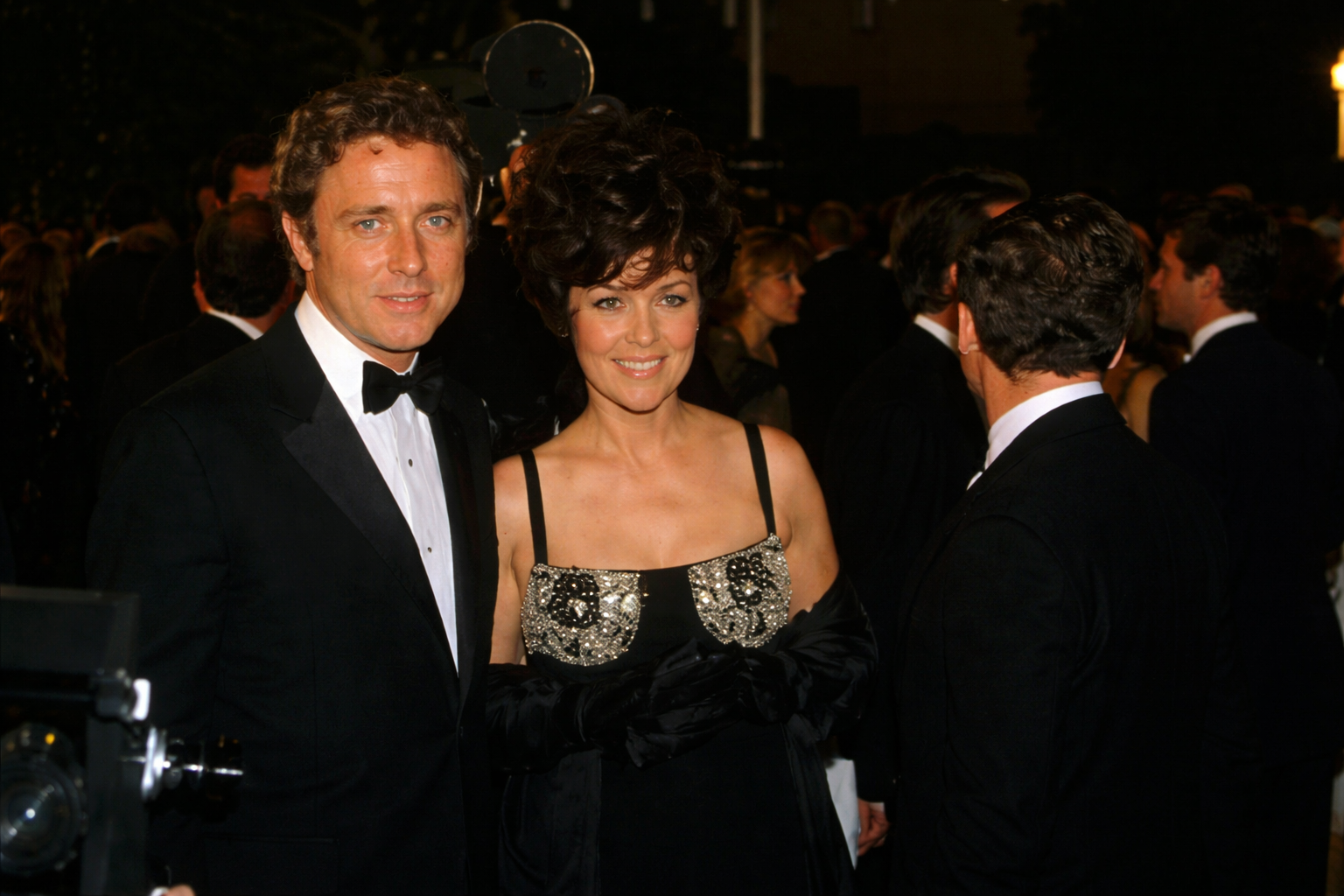
Mary Joan Schutz occupies a quiet but meaningful place in twentieth-century American cultural history. Her name appears most often in connection with her marriage to Gene Wilder, yet her story cannot be reduced to a single relationship. Mary Joan Schutz represents a different kind of legacy, one defined not by public acclaim but by deeply personal choices, family bonds, and a consistent commitment to privacy at a time when proximity to fame often erased it.
This biography focuses exclusively on Mary Joan Schutz as a person, not as a footnote. It traces what is reliably known, places her life within its historical context, and respects the boundaries she maintained long after public curiosity faded.
Early Life and Personal Foundations
Mary Joan Schutz was born in the United States, though specific details about her early years, upbringing, and family background were never made part of the public record. This absence is not accidental. Unlike many individuals later connected to Hollywood figures, she did not cultivate visibility or professional ties to the entertainment industry. Everything that can be inferred from credible sources suggests that Mary Joan Schutz lived an ordinary private life before her marriage, shaped by relationships and responsibilities outside public attention.
What is known is that she was already a mother when she met Gene Wilder. She had a daughter, Katharine, from a previous marriage. That fact alone provides insight into her character and priorities. She entered a new relationship not as a young starstruck admirer but as a woman with established responsibilities and a family structure that mattered deeply to her.
Meeting Gene Wilder and the Beginning of a Shared Life
Mary Joan Schutz met Gene Wilder through personal connections rather than professional Hollywood channels. She was reportedly a friend of Wilder’s sister, which placed their introduction firmly within the realm of everyday life rather than celebrity culture. This detail is significant. It underscores that their relationship began on personal terms, not through publicity, career strategy, or social ambition.
At the time they met, Wilder’s career was on a strong upward trajectory. He had already gained recognition for his stage and screen work and was approaching the period that would later define him as a cultural icon. For Mary Joan Schutz, this meant entering a relationship that would soon be subject to external pressures she had never sought.
Marriage and the Formation of a Blended Family
Mary Joan Schutz and Gene Wilder married on October 27, 1967. The marriage marked not only a union between two adults but also the formal creation of a blended family. That same year, Gene Wilder adopted Mary Joan Schutz’s daughter, Katharine. This was not a symbolic gesture. Adoption is a legal and emotional commitment, and by choosing it, both Mary Joan Schutz and Wilder affirmed the family they were building together.
For Mary Joan Schutz, motherhood remained central. The decision to allow and support the adoption reflected trust, hope, and a desire for stability for her child. Contemporary accounts consistently describe Wilder as having embraced fatherhood sincerely during this period, which suggests that Mary Joan Schutz’s influence helped shape one of the most personal dimensions of his life.
Life Married to a Rising Public Figure
Marriage to a rising public figure brings challenges that are rarely visible from the outside. As Gene Wilder’s fame grew through major film roles and increasing media attention, Mary Joan Schutz found herself connected to a public narrative she never attempted to control or benefit from. She did not seek interviews, endorsements, or public recognition. Even during her marriage, she remained largely absent from press coverage.
This restraint stands out, especially in an era when association with celebrity often became a path to visibility or influence. Mary Joan Schutz appears to have made a deliberate choice to protect her personal life and, by extension, her child from unnecessary exposure. That choice shaped how little information exists about her today.
The Strain of Fame and the Breakdown of the Marriage
By the early 1970s, strains within the marriage began to surface. While precise timelines vary among sources, many accounts describe the relationship as effectively ending after approximately seven years. Emotional distance, professional pressures, and personal conflict all played roles, though only fragments of these experiences entered the public record.
One recurring element in biographical discussions is Mary Joan Schutz’s belief that Gene Wilder had been unfaithful. Whether or not such suspicions were ever conclusively resolved, their emotional impact was real. Trust, once damaged, is difficult to repair, particularly when compounded by the stress of public life and intense professional demands.
For Mary Joan Schutz, the breakdown of the marriage carried consequences far beyond separation. It affected her daughter, reshaped her family structure, and led to decisions that would echo for decades.
Separation, Divorce, and Conflicting Timelines
Accounts differ regarding the exact date of Mary Joan Schutz’s divorce from Gene Wilder. Some sources list 1974, aligning with descriptions of a seven-year marriage. Others cite 1980 as the formal legal conclusion. These discrepancies likely reflect a separation that occurred years before the finalization of legal proceedings.
What remains consistent is that by the mid-1970s, the marriage was no longer intact in practice. The legal timeline, while relevant for records, matters less than the lived reality. Mary Joan Schutz’s life after separation moved decisively away from public association with Wilder, reinforcing her preference for privacy.
Motherhood and the Lasting Impact of Family Conflict
Mary Joan Schutz’s identity as a mother did not diminish after the marriage ended. If anything, it became more central. Following the separation, Gene Wilder became estranged from Katharine, a fact he later acknowledged with visible regret. While the details of this estrangement remain private, its existence underscores the emotional complexity of the family’s dissolution.
From a biographical standpoint, this chapter is among the most sensitive. It involves a child, parental bonds, and decisions made under emotional strain. Mary Joan Schutz consistently remained silent publicly, suggesting that she prioritized her daughter’s wellbeing over any attempt to shape public opinion.
Life After the Public Chapter Ended
After her marriage to Gene Wilder ended, Mary Joan Schutz effectively disappeared from public view. There is no verified record of her pursuing a public career, remarrying into another prominent family, or engaging with media retrospectives. This absence is not a failure of documentation but evidence of a successful withdrawal from unwanted attention.
Many later online claims attempt to fill this silence with speculation, but credible biographies resist doing so. The most responsible conclusion is also the simplest: Mary Joan Schutz chose an ordinary life, free from the scrutiny that had briefly touched it.
Understanding Mary Joan Schutz Through Context Rather Than Curiosity
Mary Joan Schutz lived during a transitional period for celebrity culture. In the late 1960s and 1970s, it was still possible to step away from public narratives without leaving extensive digital traces. Her ability to do so reflects both the era and her personal resolve.
Her biography challenges modern assumptions that proximity to fame must result in permanent visibility. Instead, Mary Joan Schutz demonstrates that boundaries, once set and maintained, can endure even when public curiosity persists.
Legacy Without Public Recognition
Mary Joan Schutz did not leave behind films, books, or public speeches. Her legacy is quieter but no less real. It exists in the family she built, the choices she made to protect her child, and the personal integrity she maintained by refusing to trade privacy for recognition.
In biographies of Gene Wilder, she appears briefly, often framed by dates and relational terms. Yet those brief mentions point to significant emotional chapters in his life. Without Mary Joan Schutz, there would have been no adoption, no experience of step-fatherhood, and no formative lessons that Wilder later reflected on with complexity and remorse.
Why Mary Joan Schutz Still Matters
The enduring interest in Mary Joan Schutz is not about scandal or celebrity gossip. It reflects a broader human curiosity about the unseen lives behind famous stories. Readers search for her name because they sense there is a fuller story than headlines reveal.
That fuller story is not one of fame, but of restraint. It is the story of a woman who stepped into a challenging situation, formed a family under intense circumstances, endured its dissolution, and then reclaimed a private life on her own terms.
Conclusion
Mary Joan Schutz’s biography is defined as much by what is not publicly known as by what is. She was a wife, a mother, and a private individual who briefly intersected with a famous life and then chose a different path. Her marriage to Gene Wilder and the adoption of her daughter in 1967 remain the most documented aspects of her story, but they do not exhaust its meaning.
In an age that often equates significance with visibility, Mary Joan Schutz stands as a reminder that some lives matter precisely because they are lived quietly. Her story, when told with care and accuracy, is not incomplete. It is simply private, and that privacy is part of her legacy.
Also read: Blog Jet Liên Quân: In-Depth Guide to Smarter Play and Meta Understanding



Post Comment