Ohio Champion Trees Lewis Center Ohio Champion Trees: Discover the Giants of Central Ohio
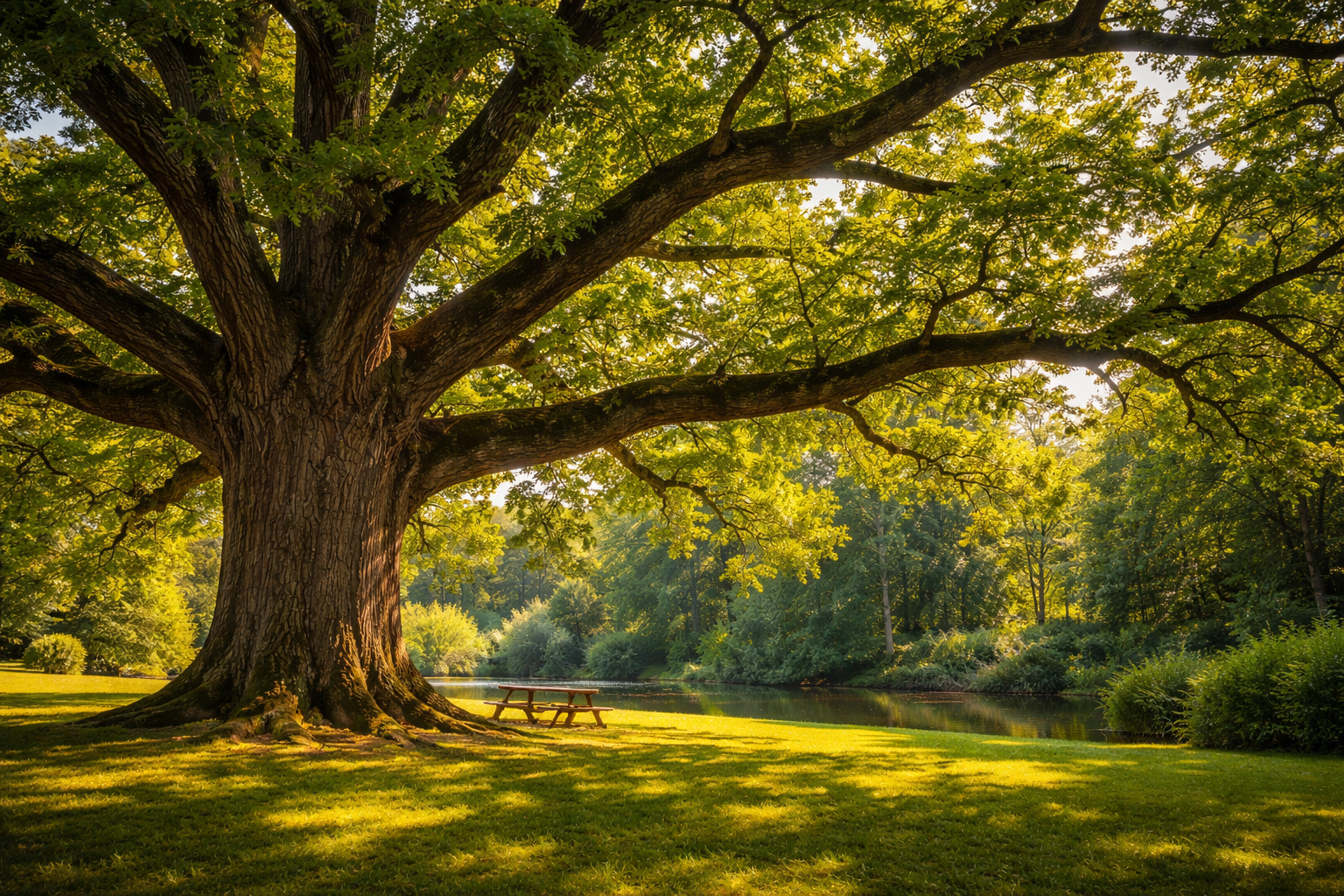
The story of Ohio champion trees Lewis Center Ohio champion trees is a story written not on paper, but in bark, branches, and rings hidden deep within massive trunks. These trees are living witnesses to centuries of environmental change, human settlement, and quiet endurance. In Lewis Center, a growing community in central Ohio, champion trees stand as reminders that even in areas shaped by development and modern life, nature’s most impressive achievements can still thrive. Understanding these trees means understanding why size matters, how history and geography shaped their growth, and why their preservation carries meaning far beyond measurements.
Understanding the Meaning of Champion Trees in Ohio
In Ohio, the term “champion tree” has a specific and carefully defined meaning. A champion tree is not simply an old or attractive tree. It is a specimen that ranks as the largest known example of its species within the state, based on a standardized scoring system that considers trunk circumference, total height, and crown spread. These measurements are combined into a point total, and the tree with the highest score for its species earns champion status. Because trees continue to grow and new specimens are discovered, the list of champions changes over time, making the designation dynamic rather than permanent.
Ohio champion trees Lewis Center Ohio champion trees are part of this statewide tradition of recognizing exceptional trees. They represent the upper limits of what a species can achieve when conditions are favorable and disturbances are minimal. In many cases, these trees grew slowly and steadily for decades or centuries, benefiting from deep soils, reliable water access, and enough open space to develop expansive canopies. Their status is a reflection of both natural opportunity and human choices that allowed them to remain standing.
The Natural Setting That Allows Champion Trees to Thrive
Lewis Center sits within southern Delaware County, an area shaped by glacial history. Thousands of years ago, retreating glaciers left behind rich, fertile soils that retain moisture and nutrients, ideal conditions for tree growth. These soils, combined with a temperate climate and historically forested landscapes, created an environment where hardwood species could reach impressive size. Even as much of the region was cleared for agriculture and later suburban development, some trees were spared, often because they marked property boundaries, shaded farmsteads, or grew in areas unsuitable for plowing.
Ohio champion trees Lewis Center Ohio champion trees owe much of their success to this combination of geology and geography. The land provided what trees need most: stable ground, nutrients, and time. In some cases, early landowners recognized the value of large trees and chose to build around them rather than remove them. In others, trees simply stood in the right place at the right time, surviving storms, logging, and land use changes that removed many of their peers.
Lewis Center’s Place in Ohio’s Champion Tree Story
Lewis Center itself has transformed dramatically over recent decades, evolving from a primarily rural area into a rapidly growing suburban community. Despite this change, the presence of notable large trees has not disappeared. Ohio champion trees Lewis Center Ohio champion trees are often found on properties that have remained relatively undisturbed, such as school grounds, parks, older residential lots, and parcels that retained mature vegetation during development.
While not every impressive tree in Lewis Center holds an official champion title, many are considered champion-caliber, meaning their size rivals or approaches the largest specimens recorded in the state. These trees attract the attention of arborists, naturalists, and residents who recognize their rarity and importance. In some cases, a tree that is not a champion today may become one in the future as it continues to grow or as records elsewhere change.
The Species That Often Become Champions
Certain tree species are more likely to appear on champion lists because of their natural growth patterns and longevity. Large hardwoods such as white oak, sycamore, and eastern cottonwood are frequent champions due to their ability to grow tall, wide, and massive when conditions allow. These species are well adapted to Ohio’s climate and soils and can live for many generations.
In the Lewis Center area, white oaks are particularly notable. Known for their strong wood and broad canopies, white oaks can live for several hundred years. A mature specimen with sufficient space can develop a trunk circumference and crown spread large enough to place it among the biggest in the state. Ohio champion trees Lewis Center Ohio champion trees often include species like these, which combine longevity with steady, expansive growth.
How Champion Trees Are Discovered and Recognized
The process of identifying a champion tree is surprisingly accessible. Anyone who notices an unusually large tree can begin the nomination process. Measurements are taken using standardized methods to ensure fairness and accuracy. Trunk circumference is measured at a specific height above the ground, total height is calculated using professional tools or techniques, and crown spread is averaged across multiple measurements.
Once measurements are submitted, they are reviewed and verified, often with assistance from forestry professionals. If the tree’s score surpasses the current record holder for its species, it earns champion status. This process highlights the role of community involvement in documenting Ohio champion trees Lewis Center Ohio champion trees. Many champions are found not by professionals actively searching, but by residents who simply pay attention to the natural world around them.
The Role of Champion Trees in Local Ecosystems
Champion trees play an outsized role in local ecosystems. Their large canopies provide habitat for birds, mammals, and insects, supporting greater biodiversity than smaller or younger trees. Cavities in old trunks become nesting sites, while thick branches offer shelter from predators and weather. The shade cast by a large tree can cool surrounding areas, reducing heat stress for both wildlife and people.
Ohio champion trees Lewis Center Ohio champion trees also contribute to soil health. Their extensive root systems stabilize soil, reduce erosion, and improve water infiltration. Leaves that fall each year decompose into organic matter, enriching the soil and supporting microorganisms essential to a healthy ecosystem. In this way, a single large tree can influence the environmental quality of an entire area.
Cultural and Historical Value of Champion Trees
Beyond ecology, champion trees hold cultural and historical significance. Many large trees in Ohio predate modern infrastructure, meaning they were already mature when roads, schools, and neighborhoods were built around them. These trees serve as living landmarks, connecting present-day residents with the region’s past.
In Lewis Center, some Ohio champion trees Lewis Center Ohio champion trees are closely tied to local identity. Residents may use them as reference points, gathering spots, or symbols of continuity in a changing landscape. For schools and community organizations, these trees offer educational opportunities, allowing students and visitors to learn about biology, history, and conservation through direct observation rather than abstract concepts.
Challenges Facing Champion Trees Today
Despite their size and resilience, champion trees face significant challenges. Urban and suburban development often brings soil compaction, root disturbance, and changes in water availability. Even small alterations in grade or drainage can stress a mature tree, reducing its ability to absorb nutrients and oxygen.
Severe weather events pose another threat. High winds, heavy snow, and ice storms can break large limbs or uproot trees, especially if their root systems have been compromised. Climate change adds further uncertainty, altering temperature patterns and precipitation levels in ways that may stress species adapted to historical conditions.
Ohio champion trees Lewis Center Ohio champion trees are also vulnerable to pests and diseases. Invasive insects and pathogens can weaken trees that have stood strong for centuries. Protecting these trees requires proactive monitoring, professional care, and informed decision-making when development or landscaping occurs nearby.
Community Stewardship and the Future of Champion Trees
The future of champion trees in Lewis Center depends largely on community awareness and stewardship. When residents understand the value of these trees, they are more likely to support preservation efforts and advocate for thoughtful land use planning. Simple actions, such as avoiding soil compaction near roots or consulting arborists before construction, can make a significant difference.
Ohio champion trees Lewis Center Ohio champion trees also inspire broader conservation efforts. By highlighting what is possible when trees are allowed to grow undisturbed, they encourage the planting and protection of younger trees that may one day become champions themselves. In this sense, champion trees are not only records of the past but investments in the future.
Why Champion Trees Matter in a Growing Community
As Lewis Center continues to grow, balancing development with environmental preservation becomes increasingly important. Champion trees demonstrate that growth and conservation do not have to be opposing forces. With careful planning and respect for natural assets, communities can expand while still protecting irreplaceable features of their landscape.
Ohio champion trees Lewis Center Ohio champion trees remind residents that true value is not always measured in short-term gains. These trees represent decades or centuries of growth, patience, and resilience. Preserving them sends a message about priorities, legacy, and responsibility to future generations.
Conclusion
Ohio champion trees Lewis Center Ohio champion trees stand as powerful symbols of what nature can achieve when given time, space, and care. Rooted in fertile soils and shaped by history, these trees connect the present-day community of Lewis Center to Ohio’s deeper natural story. They offer ecological benefits, cultural meaning, and a sense of continuity in a rapidly changing world. By recognizing their importance and committing to their preservation, residents ensure that these living giants will continue to inspire awe, provide habitat, and define the landscape for generations to come.
Also read: Maximiliano Camacho Jones: Inside the Life and Story Behind the Name




Post Comment