Who Is Lyzel Williams? A Complete Biography and Creative Journey
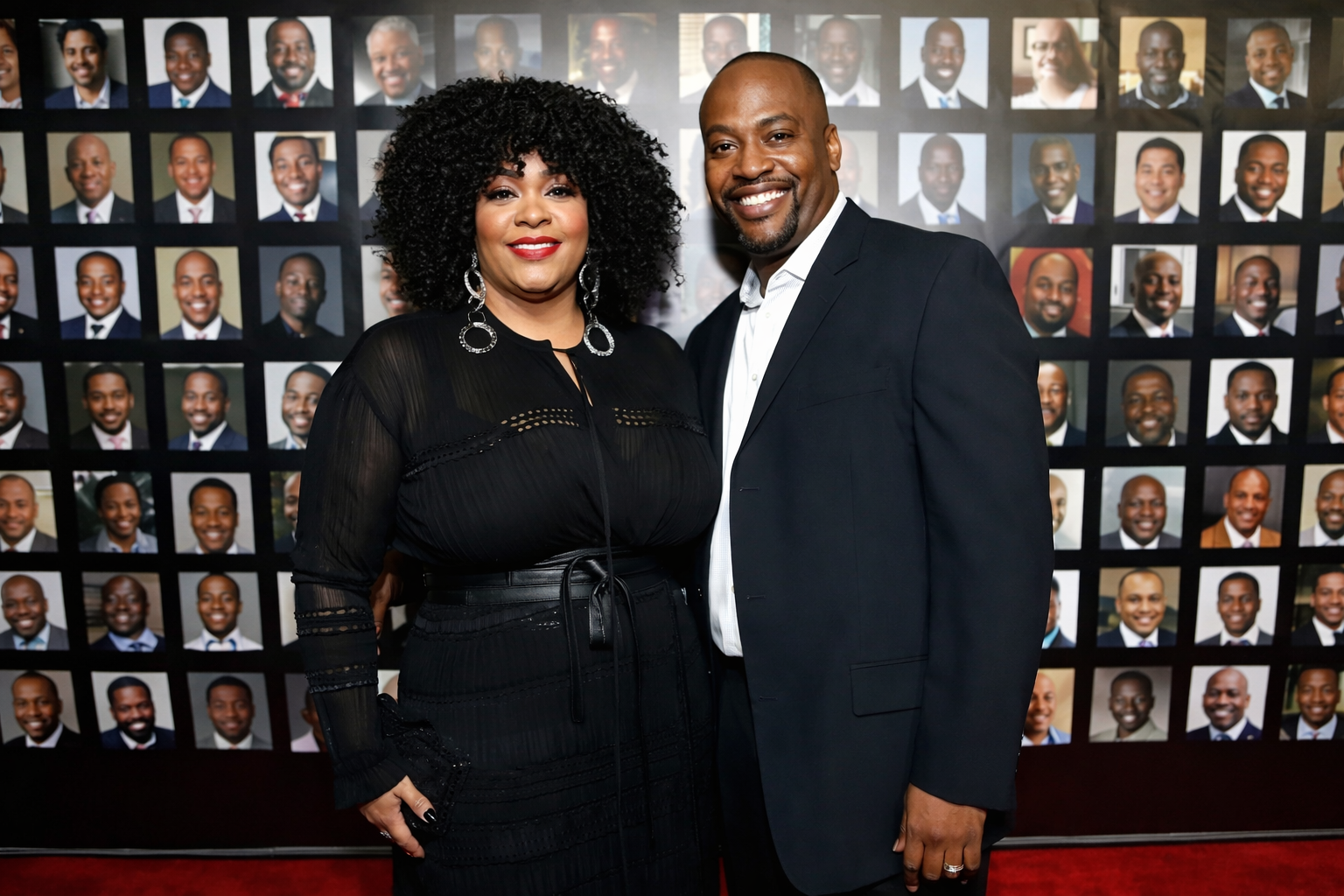
Lyzel Williams is best known to the public as a creative professional whose life briefly intersected with the mainstream spotlight through his marriage to acclaimed singer and songwriter Jill Scott. While his name is familiar to many music fans because it appears in one of Jill Scott’s most beloved songs, Lyzel Williams himself has remained a largely private figure. His biography is defined not by constant media presence, but by artistic work, discretion, and a deliberate distance from celebrity culture.
Understanding Lyzel Williams requires moving beyond headlines and song titles. His story is about creativity practiced quietly, personal relationships lived away from cameras, and a public identity shaped more by association than by self-promotion.
Early Life and Background
Publicly available records about Lyzel Williams’s early life are limited, a fact that has often led to speculation online. What can be said with confidence is that he emerged within a creative environment where visual art and music overlapped naturally. His later identification as both a graphic artist and a DJ suggests an early connection to artistic expression and urban cultural spaces where design, sound, and community intersect.
Rather than building a public narrative around his upbringing, Lyzel Williams has allowed his professional identity to speak for itself. This absence of detailed early-life documentation is not unusual for creative professionals who do not actively pursue fame. It also reflects a consistent theme in his life: privacy as a personal value rather than a byproduct of obscurity.
Creative Career as a Graphic Artist
Lyzel Williams is widely described as a graphic artist, a role that places him within the visual backbone of creative culture. Graphic artists often shape how music, events, and ideas are perceived long before audiences engage with them directly. Through typography, layout, color, and imagery, they create the first emotional impression.
For Lyzel Williams, working as a graphic artist meant contributing to culture without standing at its center. This type of creative labor is frequently collaborative and behind the scenes, aligning closely with his low-profile public presence. While specific projects attributed to him are not extensively cataloged in mainstream media, the consistent reference to his profession across reputable sources suggests sustained involvement rather than a casual or symbolic label.
Work as a DJ and Connection to Music Culture
In addition to visual design, Lyzel Williams is also known as a DJ. DJ culture emphasizes musical knowledge, emotional timing, and an intuitive understanding of audience energy. It is a role rooted in participation rather than performance alone, often serving as a bridge between artists and listeners.
Being a DJ during the period when neo-soul and spoken-word-influenced R&B were gaining momentum placed Lyzel Williams within an evolving musical landscape. His connection to this world helps explain how his personal life later intersected with a rising artist like Jill Scott. Music, in this context, was not just entertainment but a shared language and community.
Relationship With Jill Scott
The most publicly documented chapter of Lyzel Williams’s life is his relationship with Jill Scott. The two were together for several years before marrying in 2001. Their wedding, held in Hawaii, was notably private, reflecting a shared preference for intimacy over spectacle.
Their marriage coincided with Jill Scott’s ascent in the music industry, a period marked by critical acclaim and deep audience connection. During these years, Lyzel Williams remained outside the glare of celebrity media, rarely giving interviews or positioning himself as part of a public couple brand. This contrast between rising fame and personal restraint became one of the defining dynamics of his public image.
“Lyzel in E Flat” and Cultural Recognition
Lyzel Williams’s name entered music history through Jill Scott’s song “He Loves Me (Lyzel in E Flat).” The song, widely understood to be inspired by him, transformed a private relationship into a piece of widely shared art. For many listeners, this was their first and only exposure to his name.
The cultural impact of the song is significant because it illustrates how personal experiences can become universal through music. While the song immortalized a moment of love, it also unintentionally fixed Lyzel Williams’s public identity to a specific emotional narrative. Over time, that association has sometimes overshadowed his own creative work and individuality.
Marriage, Divorce, and Public Silence
Lyzel Williams and Jill Scott divorced in 2007 after six years of marriage. The end of their relationship was acknowledged publicly, but details were handled with restraint. Jill Scott has spoken in interviews about recognizing emotional distance during the marriage, sharing personal reflections rather than accusations.
Lyzel Williams, for his part, did not engage in public commentary about the divorce. This silence was consistent with his long-standing approach to public life. Rather than responding to speculation or reclaiming narrative control through media appearances, he chose to remain private, allowing the chapter to close without public conflict.
Life After Public Attention
After the divorce, Lyzel Williams largely disappeared from mainstream discussion. Unlike many individuals linked to celebrities, he did not pursue visibility through interviews, social media branding, or public ventures tied to his former marriage. This withdrawal was not sudden but appeared to be a continuation of how he had always navigated public exposure.
His post-divorce life underscores an important point about his biography: fame was never the goal. Where others might leverage association into opportunity, Lyzel Williams returned to a quieter existence centered on personal and creative pursuits.
Public Perception and Online Speculation
As years passed, online curiosity about Lyzel Williams grew, often fueled by incomplete information. Some websites have attempted to fill gaps with unverified claims about his age, finances, or current lifestyle. These accounts frequently contradict one another and lack reliable sourcing.
A more accurate reading of his biography accepts uncertainty as part of the truth. The absence of confirmed details does not indicate mystery or scandal; it reflects a conscious choice to live outside the public narrative economy. For a figure like Lyzel Williams, restraint is itself a defining characteristic.
Legacy and Meaning of His Story
Lyzel Williams’s legacy is subtle but meaningful. He represents the many creative professionals whose influence is felt indirectly, through collaboration, inspiration, and personal relationships rather than through fame. His name endures because it is attached to a song that resonated deeply with listeners, but his life story resists simplification.
In an era where personal branding often defines success, Lyzel Williams offers an alternative model. His biography shows that it is possible to contribute to culture, experience profound personal moments, and then step back without explanation or performance.
Conclusion
The biography of Lyzel Williams is best understood as a study in quiet creativity and intentional privacy. Known publicly as a graphic artist and DJ, and remembered culturally through his marriage to Jill Scott and the song inspired by him, he has never sought to expand that recognition into celebrity.
By choosing discretion over exposure, Lyzel Williams has allowed his story to remain grounded in what is verifiable and meaningful rather than inflated by speculation. His life reminds us that not every influential figure needs to be fully visible, and that sometimes the most authentic biographies are the ones that leave space for dignity, silence, and respect.
Also read: Amy Havel Patel: Real Story, Career Path, and Personal Background



Post Comment